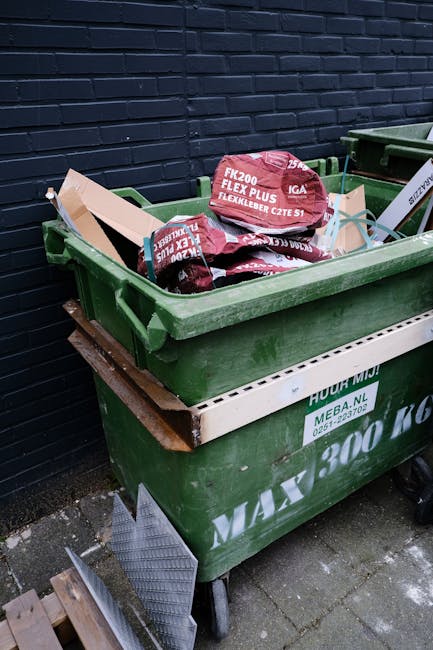




Hammersmith & Fulham Council bulky waste rules for movers
Posted on 22/06/2026
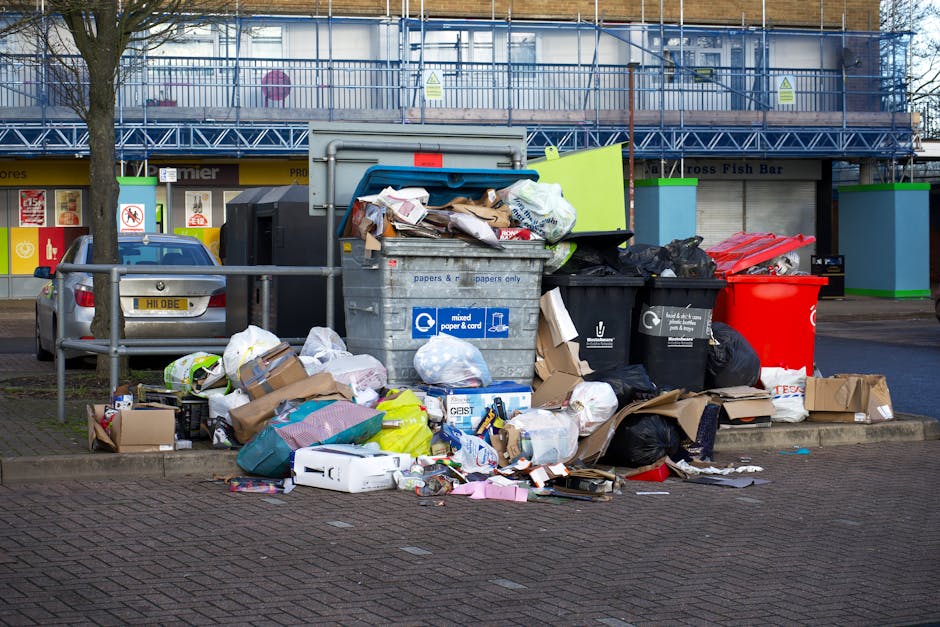
Hammersmith & Fulham Council Bulky Waste Rules for Movers: A Practical Local Guide
If you are moving home in West London, bulky waste can become one of those surprisingly annoying details that eats up time just when you need everything else to run smoothly. Old furniture, broken appliances, a tired mattress, and that one sofa that never quite fit the hallway all need a plan. This guide explains Hammersmith & Fulham Council bulky waste rules for movers in plain English, so you can avoid last-minute stress, keep things legal, and make your move a lot cleaner. It also covers the practical side: what to do before moving day, how to separate reuse from disposal, and when a removal service or storage option may make more sense.
Why Hammersmith & Fulham Council bulky waste rules for movers Matters
Bulky waste rules matter because moving day is already full of small decisions that can snowball. Do you keep the wardrobe, break it down, donate it, or arrange collection? What happens if the builders have left rubble in the hallway? And where do you put the old fridge if the new place already has one? That is the reality for a lot of movers.
In Hammersmith & Fulham, bulky items are not just "stuff you no longer want." They can be treated as waste, reused goods, or items needing special handling depending on condition and type. For movers, that difference matters. It affects timing, cost, access, and whether you can leave things outside safely or at all. It also matters because the wrong disposal approach can lead to missed collections, fines, fly-tipping issues, or a very unhappy landlord. Nobody wants that on the day before handover.
There is another angle too: moving is often the best time to declutter. A cleaner move tends to be faster, cheaper, and less chaotic. If you are already planning what stays and what goes, it can be worth looking at practical preparation alongside disposal. A good place to start is effective decluttering strategies for an easier move, especially if the move includes a lot of furniture you no longer need.
How Hammersmith & Fulham Council bulky waste rules for movers Works
The council's bulky waste approach is generally about managing large household items that cannot go into normal bins. Think sofas, beds, wardrobes, tables, white goods, and other oversized items. The exact process can change over time, so the safest habit is always to check the current council guidance before arranging disposal. That said, the practical logic is fairly consistent.
First, separate items into categories:
- Reusable items that could be passed on, sold, or donated.
- Bulky household waste that needs collection or approved disposal.
- Special items such as fridges, freezers, mattresses, or anything with electrical parts.
- Hazardous or restricted items that may need separate handling.
For movers, the biggest practical issue is access. Councils often expect bulky waste to be presented in a way that is safe and collectable. That usually means leaving it in a designated place, at a time that does not block pavements, doors, or shared entrances. In a flat or estate setting, that can be trickier than it sounds. A hallway in the evening can look clear enough, but in daylight you realise the sofa is halfway across a fire route. Little things like that matter.
If you are moving from a property where access is tight, it can help to think about the removal load separately from disposal. Services like house removals in White City or flat removals in White City can reduce the pressure on you to wrestle with heavy items at the wrong time. And for truly compressed schedules, same day removals in White City can be useful when you are racing a deadline, though bulky waste still needs its own plan.
One more thing: if an item is structurally intact, clean, and safe, reuse is usually the smarter route. A sofa with life left in it is not the same as a damaged one. That sounds obvious, but in practice people toss useful items because they are busy. By 6 p.m. on move day, everyone starts making slightly questionable decisions. It happens.
Key Benefits and Practical Advantages
Following the rules brings more benefits than just "avoiding trouble." It makes the move easier to control.
- Cleaner handover - fewer disputes with landlords, agents, or buyers.
- Less physical strain - fewer items to lift, carry, or re-home at the last minute.
- Lower moving clutter - a lighter load means a simpler van plan and often a quicker job.
- Better recycling outcomes - reusable items can be diverted away from disposal.
- Reduced risk of blocked access - especially important in blocks, estates, and narrow residential streets.
There is also a psychological benefit. Once the unwanted bulky stuff is identified early, the move feels less vague. You stop carrying around the mental load of "we'll sort that later." Later is the enemy. Later is where mattresses go to die in the spare room.
For people trying to balance removal, sorting, and temporary storage, it can help to pair disposal planning with a wider logistics plan. You might find storage in White City useful if some items are not ready to go yet, while recycling and sustainability explains the greener side of deciding what should be reused, repaired, or disposed of responsibly.
Who This Is For and When It Makes Sense
This topic is especially relevant if you are:
- moving out of a rented flat and need to clear large items fast;
- downsizing and cannot take everything with you;
- replacing furniture and want the old pieces removed properly;
- preparing a property for sale or end-of-tenancy inspection;
- dealing with awkward items like a bed frame, freezer, or old piano stool that cannot simply be bagged up.
It also makes sense for landlords, letting agents, and anyone helping a relative move. In family moves, bulky waste often lands in the middle of everyone's priorities and then, suddenly, it is 9 p.m. and someone is asking whether the old armchair can "just stay downstairs for now." Not ideal.
If your move is mostly furniture-based, a dedicated service may save you time. Pages like furniture removals White City and removal services White City are useful if you need help moving items safely before you decide what to keep or dispose of. For office clearances, the same logic applies, just with more chairs and cables than anyone wants to admit.
Step-by-Step Guidance
Here is a straightforward way to handle bulky waste during a move without turning the whole process into a mess.
- Walk through each room early. List every item that is too large for normal rubbish handling.
- Sort by outcome. Keep, sell, donate, recycle, collect, or dispose.
- Check item condition. A clean sofa in decent shape may be suitable for reuse; a damaged one may not.
- Measure awkward pieces. This helps with lift access, staircase turns, and van loading.
- Confirm access routes. Watch for narrow hallways, lift restrictions, and estate loading limits.
- Plan removal timing. Do not leave bulky items until the final hour if collection windows are tight.
- Protect surfaces and shared areas. Use blankets, cardboard, or covers when carrying heavy pieces out.
- Keep disposal separate from transport. What is leaving the home may not be travelling with your moving load.
If you are handling heavier furniture yourself, do not underestimate the lifting side. A quick read of the mechanics behind kinetic lifting or lifting heavy objects alone can save you from the classic "I can manage this" moment that ends with a strained back and a very awkward pause in the stairwell.
For bedding and mattresses, timing is everything. If a mattress is being replaced, arrange its exit before the new one arrives, or you end up with the softest obstruction in the world. This is where stress-free solutions for transporting your bed and mattress becomes genuinely handy.
Expert Tips for Better Results
These are the small details that make a big difference in real moves.
- Decide early what is junk and what is resale-worthy. The line is often clearer than people think.
- Keep fasteners, legs, and fittings in labelled bags. If a bulky item is being dismantled, this stops the usual "where did that bolt go?" situation.
- Photograph items before you move them. Handy for resale, donation, or confirming condition.
- Use the quiet part of the day. Early morning or mid-afternoon can be easier for access around communal areas.
- Do not mix food waste, general waste, and bulky items. It sounds tidy in theory, but in practice it creates confusion and smells nobody needs.
One useful habit is to keep a "move-out" zone in one room. Put all bulky decision items there and leave them out of the main path. That simple buffer space reduces clutter and stops things spreading into every room like a low-grade avalanche.
If your move is happening around busy local roads or estate access points, route planning matters too. Helpful local pages include moving vans, loading bays and permit problems on Wood Lane and White City estate removals access tips. They are not about bulky waste alone, but they are very relevant when your clear-out and your moving van need to work together.

Common Mistakes to Avoid
Most bulky waste problems come from a handful of predictable mistakes.
- Leaving everything until the final day. Collection slots and building access are rarely as flexible as people hope.
- Assuming all large items are treated the same. A sofa, fridge, and mattress may each need a different approach.
- Placing items where they block entrances. Shared hallways, fire routes, and pavements are the usual trouble spots.
- Forgetting dismantling takes time. Beds and wardrobes often require tools, space, and patience. A lot more patience.
- Ignoring condition. If something can be reused, passing it on may be better than disposing of it.
- Underestimating how much waste accumulates in a move. Box packaging, damaged furniture, and old fittings add up quickly.
Another common one: people ask movers to "just take it all" without confirming what should legally be moved, stored, or separated. That can cause delays and extra handling. If you want a smoother process, be clear on what is staying, what is leaving, and what needs special treatment.
A bit of planning also protects your budget. If you are comparing service options, it is worth checking pricing and quotes before the schedule gets tight. The cheapest option is not always the cheapest once missed access windows and extra trips are involved.
Tools, Resources and Recommendations
You do not need fancy equipment, but a few basics make bulky waste handling far easier.
- Measuring tape for doorways, stair turns, and lift dimensions.
- Strong gloves to improve grip and protect hands from sharp edges.
- Furniture blankets or covers to protect walls and finishes.
- Basic tools for dismantling beds, tables, and modular furniture.
- Marker pens and labels for parts, bins, and donation boxes.
- Rubbish sacks and tape for smaller associated waste like fixings and packaging.
For moving-day packing and sorting, a few support pages can make the whole thing less chaotic. Try packing and boxes White City and stress-free packing for moving if you want a calmer, more organised start.
If you are storing anything temporarily before deciding what to do with it, make sure it is clean and dry first. That matters for sofas, freezers, and mattresses alike. For example, sofa storage tips and storing an unused freezer in top shape both show how a bit of prep can prevent avoidable damage.
Law, Compliance, Standards, or Best Practice
When bulky waste is involved, best practice is mostly about three things: safety, proper handling, and responsible disposal. In the UK, you should never assume that leaving items outside is acceptable just because they are no longer wanted. Shared spaces, public pavements, and fire exits are common flashpoints. If you are in rented accommodation or a managed block, building rules may be stricter than council rules, so check both.
It is also wise to treat certain items with extra care. Electrical appliances, especially fridges and freezers, can have disposal requirements that are different from standard furniture. Mattresses, upholstered items, and anything damaged by mould or pests may also need more careful handling. No need to overcomplicate it, but don't wing it either.
For movers, the safest approach is:
- confirm what the council accepts as bulky waste;
- check whether the item can be reused or donated first;
- avoid fly-tipping or leaving items in shared areas without permission;
- use competent, insured assistance for heavy or awkward lifting;
- follow building access rules, parking controls, and estate restrictions.
If you need reassurance around handling standards, insurance, or safe moving practice, these pages are useful context: insurance and safety, health and safety policy, and terms and conditions. Not thrilling reading, admittedly, but very helpful when something heavy needs to move without drama.
Options, Methods, or Comparison Table
There is more than one way to deal with bulky waste during a move. The right choice depends on time, condition, access, and how much lifting you want to do yourself.
| Option | Best for | Pros | Watch-outs |
|---|---|---|---|
| Council bulky waste collection | Single items or small clear-outs | Convenient, straightforward, suitable for many households | Needs planning; item placement and collection timing matter |
| Reuse, donation, or resale | Good-quality furniture and appliances | Less waste, potentially helps someone else, may save money | Requires clean condition, time, and sometimes collection coordination |
| Professional removal help | Heavy, awkward, or time-sensitive moves | Safer lifting, quicker clearance, less stress | Costs vary depending on access, volume, and labour |
| Temporary storage before decision | Items you are unsure about | Buys time, protects keepsakes and saleable items | Needs space and can delay final clearance |
If you are unsure which route to take, a mix is often best. Keep the useful items, store the maybe-items briefly, and dispose of only what is truly not worth moving. That simple split reduces mistakes more than people expect.
Case Study or Real-World Example
Here is a realistic example from a typical W12-style move. A couple were leaving a two-bed flat and had three bulky items: a sofa, an old freezer, and a bed base that had seen better days. They first thought they would simply leave everything until move-out week. Then they realised the lift booking, parking window, and tenancy handover all landed on the same day. Not a good combination.
They changed tack. The sofa was checked for reuse potential and then moved to temporary storage while they decided whether to sell it. The freezer was cleaned and prepared separately so it could be handled properly. The bed base was dismantled in advance, with screws bagged and labelled. That left the final day much calmer. Less noise, fewer arguments, fewer "where did that panel go?" moments.
The key lesson was simple: bulky waste is easiest when it is not treated as an afterthought. Once they separated disposal from transport, the move felt cleaner and they avoided the panic that often hits in the last 12 hours. Truth be told, that last 12 hours is where the messy decisions usually happen.
For a similar move, pages such as man with a van White City, man and van White City, and removal van White City can be helpful if you need transport support alongside your clear-out planning.
Practical Checklist
Use this before moving day. It keeps the bulky waste side under control.
- List every bulky item in the property.
- Decide whether each item will be kept, sold, donated, stored, or disposed of.
- Measure large items and access points.
- Check whether anything needs dismantling.
- Separate reusable items from true waste.
- Confirm council and building access rules.
- Prepare blankets, gloves, tape, and labels.
- Book help early if the item is heavy or awkward.
- Keep paths clear and fire exits unobstructed.
- Schedule disposal before the final handover, not after.
Small checklist, big payoff. Honestly, it is one of those simple things that saves a surprising amount of grief.
Conclusion
Bulky waste does not need to dominate your move. Once you understand the basics of Hammersmith & Fulham Council bulky waste rules for movers, the process becomes much more manageable: separate what stays from what goes, check condition carefully, plan the lift and access route, and avoid leaving disposal decisions to the final hour.
The best moves feel calm because the messy decisions were handled early. That is the real win here. A tidy plan, a sensible loading strategy, and the right mix of disposal, reuse, and transport support can make a stressful week feel far more human and far less frantic.
If you are still at the planning stage, take a breath, walk through the property once more, and make the bulky waste decisions now. Future-you will be grateful. About us can give you more background on the team behind the service, and contact us if you want to talk through the move in a bit more detail.
Get a free quote today and see how much you can save.