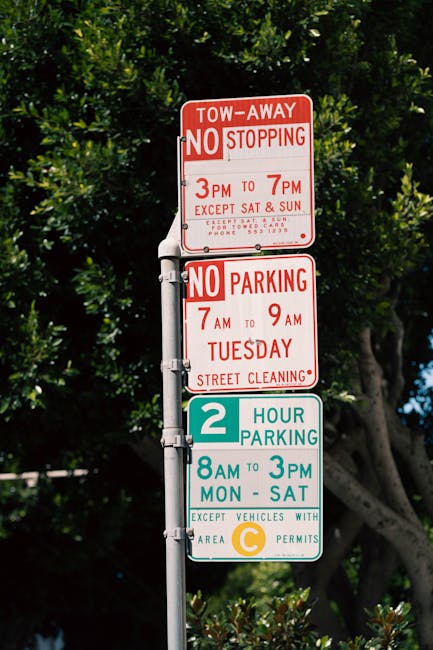




Do White City removals need parking permits? Rules guide
Posted on 06/07/2026

If you are planning a move in White City, the parking question can be the one detail that quietly causes the most trouble. Do White City removals need parking permits? Sometimes yes, sometimes not - and the difference usually comes down to where the van stops, how long it stays, and whether the street has restrictions. In a busy part of West London, that tiny planning issue can decide whether your move feels smooth or becomes a last-minute scramble with hazard lights flashing and everyone watching the clock.
This guide breaks it down in plain English. You will learn when parking permits are typically needed, what to check before moving day, how loading bays and time limits affect access, and what to do if your street is awkward. We will also cover practical steps for house moves, flats, student moves, and furniture deliveries, so you can make a sensible call rather than guess. And to be fair, guessing with parking in London is rarely a great strategy.
Why Do White City removals need parking permits? Rules guide Matters
In White City, parking is not just a background detail. It affects how close the removal van can get to your door, how long the team can safely load, and whether you risk delays or penalties. Narrow residential streets, busier routes near Westfield, shared estate access roads, and loading restrictions all make this more than a box-ticking exercise.
The practical problem is simple: a van that cannot stop legally near the property slows everything else down. That means more carrying distance, more time, more fatigue, and more chance of damage. If you have ever carried a wardrobe down stairs while trying not to bang it on a wall, you will know how quickly a small access issue becomes a major headache.
Parking rules also matter because removals are time-sensitive. Most moves are scheduled around lifting windows, building access slots, or parking availability. If the van arrives and there is nowhere lawful to stand, the whole chain can slip. That matters especially for flat removals in White City, where lift bookings, stair access, and street parking all need to line up at once.
In our experience, the homes that go most smoothly are rarely the biggest ones. They are the ones where someone checked the parking setup two or three days ahead. Simple, boring, effective. Lovely stuff.
How Do White City removals need parking permits? Rules guide Works
Think of the process in three layers: the street, the vehicle, and the move itself. The street may have resident bays, pay-and-display bays, yellow lines, suspended bays, or loading restrictions. The vehicle may need to stop briefly, wait for access, or stay long enough for several loads. The move may involve a quick lift, a whole-house removal, or a single heavy item. Each layer affects whether permission is needed.
For many White City moves, the issue is not a classic long-stay parking permit. It is often a temporary access arrangement, such as using a loading bay, complying with bay time limits, or ensuring the vehicle does not block traffic. In some cases, a permit or dispensation may be needed to make the stop lawful. In other cases, the move can be done within ordinary loading rules if the van is attended and the stop is brief.
That is why there is no one-size-fits-all answer. A morning house move on a quiet street near an estate may be straightforward, while an evening furniture delivery on a busy road may need extra care. If you are arranging a bigger job, it helps to look at the broader service setup too, such as house removals in White City or furniture removals in White City, because the parking plan often changes depending on how much is being moved.
One more thing: building rules matter as much as street rules. A private estate, block management company, or shared access road can have its own loading conditions. That is especially true around larger developments, where the local street might be fine but the internal access is tightly controlled. A bit annoying? Yes. Unavoidable? Also yes.
Key Benefits and Practical Advantages
Sorting parking early is not just about avoiding a fine. It improves the entire move from start to finish.
- Shorter carrying distances: the van can park nearer to the property, which reduces the time spent walking items up and down the road.
- Less chance of delays: the team can start loading on schedule instead of circling the block looking for a safe stop.
- Lower risk of damage: fewer long carries mean fewer bumps, scrapes, and awkward turns in tight spaces.
- Better safety: clear access helps movers manage heavy items more carefully and reduce strain.
- Less stress for you: there is something oddly reassuring about seeing the van parked exactly where it needs to be. Small win, but a real one.
There is also a commercial benefit if you are comparing quotes. A well-planned move is easier to price accurately. If access is unclear, the moving team may need to allow for extra time or additional manpower. That is one reason people often check pricing and quotes after confirming access details. The cleaner the information, the cleaner the estimate.
For larger or more sensitive items, parking planning becomes even more valuable. Think pianos, sofas, large wardrobes, or mattress moves. These are the items that do not forgive a bad parking decision. If you are moving something delicate or awkward, it is worth reading about piano moving challenges or bed and mattress transport before moving day.
Who This Is For and When It Makes Sense
This guidance is useful for almost anyone moving in White City, but some people need it more than others.
- Flat movers: if you live in a block with shared access, loading bay rules, or limited stopping space.
- House movers: if your road has residents-only parking, controlled bays, or narrow access.
- Students: if you are moving in or out quickly and do not want a parking issue to ruin a tight timetable.
- Office movers: if a van needs scheduled access and staff need predictable timing.
- Same-day movers: if the move is urgent, parking becomes even more important because there is less room for error.
This is also relevant if you are using a man and van service rather than a full removal crew. A smaller vehicle can sometimes fit more easily, but that does not automatically mean it can park legally. That distinction matters. A smaller van is helpful; it is not a magic parking passport.
If your move is modest, you may be able to manage without any special permit at all. But if the van needs to wait, the move is on a controlled street, or the nearest space is usually occupied, plan as though permission will matter. You may save yourself a lot of back-and-forth.
Step-by-Step Guidance
Here is the practical way to handle White City parking before a removal.
- Check the exact pickup and drop-off streets. Do not rely on the area name alone. White City has different street layouts, estate access points, and parking conditions.
- Look for bay markings and road restrictions. Resident bays, loading bays, single yellow lines, double yellow lines, and timed restrictions all affect what can happen.
- Confirm whether the van will need to wait. A quick drop-off is different from a half-day removal. Time matters.
- Ask whether your building has its own rules. Some blocks need advance notice for lift use or loading access. Estates can be stricter than the street outside.
- Speak to your removal provider early. A good moving team will want the access details up front so they can plan the vehicle and timing properly.
- Build in a margin for busy periods. School run times, early evenings, and weekend shopping traffic can change everything, especially around busier W12 routes.
- Keep your loading path clear. Even with the right parking spot, clutter at the front door slows the whole job down.
If you are still in the planning stage, useful prep helps more than people think. A bit of decluttering can make the loading phase shorter, and packing efficiently can reduce how often the crew needs to return to the van. Those tiny efficiencies add up. For practical help, see effective decluttering strategies for an easier move and stress-free packing tips for moving.
If your schedule is tight, you can also use same-day removals in White City as a practical fallback, but the parking questions still need answering. Urgent does not mean careless. It just means you need the basics done quickly and properly.
Expert Tips for Better Results
Here are the small things that often make the biggest difference.
- Take photos of the street and entrance: a few clear pictures help the moving team judge whether access is straightforward or fiddly.
- Use the least disruptive stop point available: if a loading bay is legal and nearby, it is often better than squeezing into a questionable space closer to the door.
- Keep neighbours in mind: a polite heads-up can reduce friction on shared streets, especially where parking is already tight.
- Move bulky items first: big furniture should not be left until the end of the day when everyone is tired.
- Protect the building route: if you can, place mats or covers where items may brush walls or floors.
- Confirm lift access in advance: this is particularly useful for White City estate removals with stairs and lifts.
A slightly overlooked tip: if you expect parking to be awkward, reduce the number of round trips by preparing the load area properly. Keep boxes grouped by room. Set aside essentials separately. And if something is too awkward to move on your own, don't hero it. Seriously. The box can wait; your back should not be sacrificed for the sake of one corridor.
For larger pieces, it can help to use professional support from a team used to working in local streets and estates. A service like man and van in White City is often a sensible fit when access is tight but the move is still manageable. For bigger or more complex jobs, you may prefer a more full-service approach through removal services in White City.

Common Mistakes to Avoid
Most parking problems are not dramatic. They are just preventable. That is the annoying part.
- Assuming there is always space outside the property. In White City, that assumption can fail fast on busy roads.
- Forgetting the return trip. A van may be fine for loading, but not for coming back later if restrictions change.
- Ignoring building rules. A parking spot outside is useless if the estate does not allow loading at that time.
- Leaving permit checks until moving day. By then, you are working under pressure and options are narrower.
- Underestimating loading time. A move that looks small at breakfast can still take much longer by noon.
- Not telling the mover about awkward access. Stairs, bollards, narrow entrances, or one-way streets all matter.
Another common mistake is overpacking boxes so they become awkward to carry. That is not a parking issue on paper, but it becomes one on the pavement when the van has to park farther away than planned. Heavy boxes + long carry = bad mood. Not ideal.
If your move involves fragile or unusually heavy furniture, it is worth planning the load order in advance. A few better choices up front can reduce both risk and time. And if you are moving items into storage, a bit of advance thought helps there too; the article on sofa storage tips is useful for understanding how to keep bulky furniture in good shape between moves.
Tools, Resources and Recommendations
You do not need a giant toolkit to manage parking well. You just need a few sensible checks and the right kind of preparation.
| Option | Best for | Strengths | Limitations |
|---|---|---|---|
| Short attended loading stop | Quick pickups and drop-offs | Simple, fast, often enough for small moves | Not suitable if the van needs to stay for long |
| Loading bay use | Properties near controlled streets | Closer access, better for bulky items | May have time limits or local conditions |
| Temporary permit or dispensation | Longer removals or difficult streets | Greater certainty and less risk of parking trouble | Needs planning and may not suit every street |
| Private estate arrangement | Blocks with managed access | Can support smoother loading and unloading | Usually needs advance approval |
For everyday planning, a phone camera, a rough floor plan, and a simple written inventory go a long way. Add in clear communication with your moving team and you are already ahead of most last-minute movers. If you need boxes or packing supplies, it can also help to review packing and boxes in White City before buying more than you need.
For specialist items, choose the right support rather than forcing the same process for every job. Pianos, office equipment, and oddly shaped furniture all create different access pressures. Sometimes the move is not about strength at all. It is about planning the sequence properly.
Law, Compliance, Standards, or Best Practice
This topic sits in the overlap between parking rules, road use, building access, and duty of care. That means it is wise to treat parking as a compliance issue, not just a convenience issue.
In practical terms, the safest approach is to assume that any removal vehicle must stop lawfully unless you have confirmed otherwise. Local parking controls, resident restrictions, time-limited loading bays, and estate-specific access rules should all be checked before the van arrives. If you are unsure, the best practice is to ask in advance rather than hope the stop will be fine. Hope is not a plan. It never really was.
From a removals perspective, the main standards are common-sense ones: do not block roads, do not create unsafe loading conditions, do not leave items in a way that endangers pedestrians, and do not push movers to carry heavy furniture farther than is reasonable. That is especially relevant when stairs, kerbs, lifts, and tight corners are involved.
If you want to understand the company side of things, useful background pages such as insurance and safety, health and safety policy, and terms and conditions help show the kind of operational care a professional move should involve. That sort of transparency matters. It signals that the move is being handled properly, not improvised in the street at the last second.
Options, Methods, or Comparison Table
If you are still deciding how to handle access, this comparison may help.
| Method | Parking need | Convenience | Best use case |
|---|---|---|---|
| No special parking arrangement | Low | Highest if the street is quiet and unrestricted | Small moves, easy roads, short loading windows |
| Use of legal loading space | Moderate | Strong balance of access and compliance | Typical flat and house removals on controlled streets |
| Advance permit or arranged access | High | Very helpful when streets are tight or busy | Complex removals, estate moves, long loading periods |
For many White City residents, the middle option is the sweet spot. Not too much admin, not too much risk. If the property is particularly difficult to access, though, advance arrangement is usually the calmer choice. Calm matters on moving day. You can hear it in the tone of the crew, honestly.
Case Study or Real-World Example
Imagine a tenant moving from a second-floor flat near a busy White City street. The flat itself is manageable, but the road is active, the nearest bay is often occupied, and the building entrance sits just far enough back from the curb to make carrying awkward. The tenant assumes the van can simply stop outside for a while. On the day, that space is gone. Traffic is building, neighbours are waiting, and the team has to park farther away.
Now compare that to a move where the access details were checked two days beforehand. The mover knows the street layout, the customer has cleared the hallway, boxes are labelled, and the van is positioned in the right legal stopping place. The first load begins on time, the second load follows smoothly, and the whole move finishes with far less stress.
The difference is not dramatic on paper, but in real life it is huge. Less carrying. Less waiting. Less apologising to neighbours. More importantly, fewer chances for things to go wrong when everybody is tired and the kettle is still packed away somewhere. That is the sort of move most people actually want.
This is also why people with tighter timelines often use emergency move options for W12 residents or seek advice around access-heavy streets such as Wood Lane loading bay issues. The streets themselves can shape the whole plan.
Practical Checklist
Use this before moving day. It is simple, but it catches most of the avoidable problems.
- Confirm the exact pickup and delivery addresses.
- Check whether the street has bays, yellow lines, or loading restrictions.
- Find out if the building or estate needs advance access approval.
- Tell the mover about stairs, lifts, narrow hallways, or long carries.
- Prepare a clear loading route from the property to the van.
- Pack and label boxes so unloading is faster at the destination.
- Keep essential items separate so you do not need to open everything later.
- Allow extra time for traffic, parking searches, and unexpected delays.
- Ask whether your move would benefit from a smaller van or a different arrival window.
- Keep contact details close so the crew can reach you if access changes.
If you are moving into or out of a busy area near shops, stadium-style retail zones, or estate entrances, plan a little more conservatively. That one extra margin of time can save you a proper mess.
Get a free quote today and see how much you can save.
Conclusion
So, do White City removals need parking permits? The honest answer is: sometimes they do, and sometimes a legal loading stop or an ordinary short-term arrangement is enough. The key is not to assume. Check the street, confirm the building rules, and plan the van access as early as possible.
That single bit of preparation can make the difference between a move that feels controlled and one that feels like everyone is carrying a sofa in the drizzle while checking the clock. White City is perfectly manageable with the right setup. It just rewards people who plan a little ahead.
If you want the move to feel calmer, safer, and less rushed, start with access. Everything else becomes easier from there.