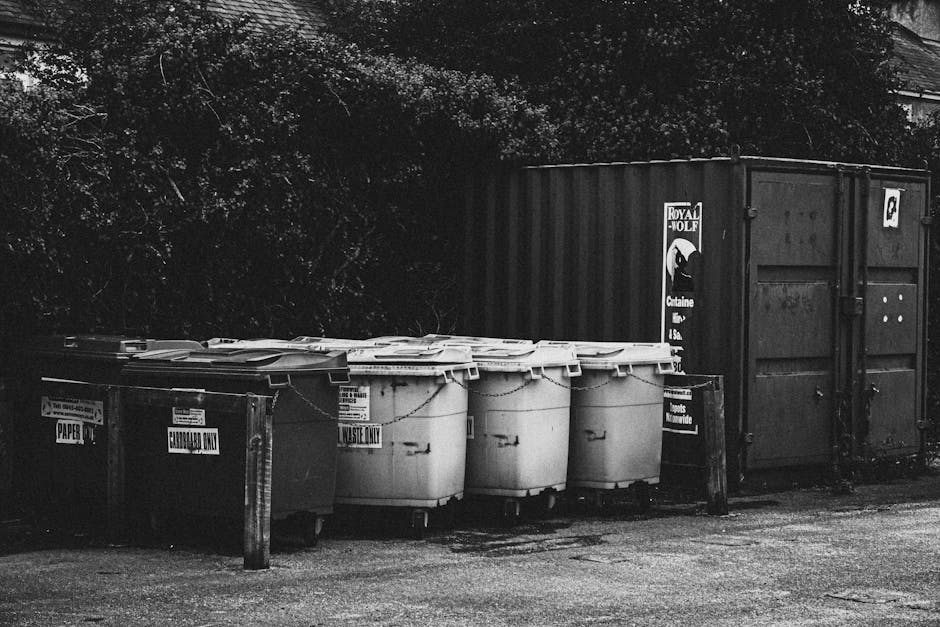




Controlled waste laws every White City mover must follow
Posted on 30/07/2026

If you are moving in White City, controlled waste laws every White City mover must follow are not just a dull bit of paperwork. They decide how you handle old furniture, broken appliances, wrapping, rubble, paint tins, and all the other things that seem to multiply the minute you start packing. A move can go smoothly one hour and turn messy the next if waste is left out, dumped badly, or handed to the wrong person. Truth be told, that happens more often than people expect.
This guide breaks the topic down in plain English. You will learn what controlled waste means, why it matters during a move, how the rules work in practice, and the steps that help you stay compliant without adding stress to moving day. We will also look at the common mistakes, useful planning tips, and the kind of records and checks that make a real difference when the van is full and time is tight.
Why controlled waste laws every White City mover must follow Matters
Controlled waste law matters because moving day creates waste quickly. A flat clear-out can produce packaging, broken shelving, food waste from a freezer, old bedding, unwanted decor, garden clutter, and maybe one item you swear was "still useful" until you tried lifting it down the stairs. If those items are not handled properly, you can end up with fly-tipping concerns, council issues, extra disposal costs, or delays while the van is already waiting outside.
White City brings a few local realities into the mix. Access can be tight around estate roads, loading bays matter, and parking can be unforgiving. That means the waste plan has to be part of the move plan, not an afterthought. If you are already dealing with a busy schedule, you may find it useful to read the parking permit rules guide for White City removals and the Wood Lane loading bay permit article as part of your wider planning.
There is also a reputational side to this. In a building or shared block, leaving rubbish in the wrong place creates friction with neighbours, managing agents, or facilities staff. Nobody wants that awkward note on the lobby board. A compliant move feels calmer, cleaner, and much easier to finish well.
Expert summary: The safest approach is simple: separate waste early, identify anything that needs special handling, and make sure every item is going to a legitimate disposal route before the van leaves.
How controlled waste laws every White City mover must follow Works
In practical terms, controlled waste covers household and commercial waste that needs to be collected, transported, and disposed of responsibly. For movers, the big issue is not just what the item is, but what happens to it once it leaves the property. If you are carrying waste away for someone else, or moving items that are no longer wanted, the rules around transfer, disposal, and documentation can apply.
Most people do not need to memorise legal wording. What they do need is a clear working understanding:
- Waste must not be dumped in a public space or left where it can become an obstruction.
- Items should go to an authorised disposal route, such as a licensed waste carrier or approved local collection service.
- Hazardous or specialist waste needs extra care.
- If a mover is involved in transporting waste, the paperwork and duty of care matter.
That duty of care is the bit people often underestimate. It means you should take reasonable steps to make sure waste is passed to someone authorised to handle it. In everyday moving language, that means checking who is taking the waste, where it is going, and whether the items need to be separated first. Not glamorous, I know. But very useful.
Another practical point: not everything in a move is "waste". Some items are reusable, some can be sold, some should go into storage, and some are ready for recycling. A good plan treats them differently. For example, if you are moving a sofa you want to keep, that is a transport job; if you are getting rid of a sofa with damaged fabric and broken frame, that becomes a disposal question. A useful starting point is decluttering before the move so you are not deciding everything at the kerbside.
Key Benefits and Practical Advantages
Following controlled waste rules is not only about avoiding trouble. It also makes the move faster and cleaner. When waste is sorted properly, loaders know what stays, what goes, and what needs extra handling. That reduces last-minute confusion, which is often where mistakes happen.
Here are the most useful advantages in real life:
- Less stress on moving day: You are not making disposal decisions while the clock is ticking.
- Lower risk of rejected items: Special waste is identified before it causes a problem.
- Better access and flow: Less clutter means safer paths, fewer trips, and easier loading.
- Cleaner property handover: Helpful for landlords, agents, and final inspections.
- Reduced chance of fines or complaints: Especially important if waste is placed improperly in shared areas.
There is a quieter benefit too: you get a more honest picture of the move itself. Once the waste is separated, it becomes obvious how much you are actually taking forward. That can save space, time, and money. If you are dealing with bulky items, it is worth looking at furniture removals in White City alongside your disposal plan, because reusable furniture and waste are handled very differently.
| Approach | Best for | Typical upside | Main caution |
|---|---|---|---|
| Keep and move | Usable belongings, furniture, appliances | Simple transport, no disposal step | Needs safe lifting and packing |
| Recycle or donate | Reusable items in decent condition | Less waste, often cheaper than disposal | Must be sorted early and accepted by the recipient |
| Licensed disposal | Broken, worn, or unwanted items | Cleaner compliance and clearer responsibility | Needs the right carrier or collection method |
| Specialist handling | Fridges, freezers, pianos, mattresses, hazardous materials | Safer and more compliant | May need extra planning or service type |
Who This Is For and When It Makes Sense
This topic is relevant to almost anyone moving in White City, but some people need to pay particular attention.
- Home movers: Households clearing lofts, garages, spare rooms, or utility spaces.
- Flat movers: Especially in blocks with limited bin space or shared corridors.
- Students: End-of-term moves often generate a lot of packaging and unwanted bits.
- Office movers: Desks, chairs, cables, and old equipment can become controlled waste quickly.
- Landlords and letting agents: Void properties often contain leftover items that must be cleared properly.
- Anyone dealing with bulky or awkward items: Mattresses, sofas, freezers, and piano equipment need more than a quick bin run.
If you are moving out of a White City estate flat, the rules become even more relevant because shared access, lift timings, and loading zones can complicate the disposal side. You may find White City estate access tips useful if your waste needs to be taken downstairs carefully and without blocking others.
It also makes sense any time you are in a rush. Same-day moves are the classic example. When time is short, the temptation is to lump everything together and sort later. That rarely ends well. If your move has become urgent, the same-day removals option in White City can be part of a tighter plan, but the waste decisions still need to be made first.
Step-by-Step Guidance
Here is a practical way to stay on the right side of controlled waste rules without overcomplicating things.
- Walk the property room by room. Put items into broad groups: keep, donate, recycle, dispose, and specialist waste.
- Separate hazardous or restricted items early. That includes paint, chemicals, old batteries, fluorescent tubes, or anything you are unsure about.
- Check large appliances. Fridges and freezers need proper handling, especially if they still contain residue or require defrosting.
- Decide what needs a carrier and what can be taken away separately. A mover may transport waste only if the service is arranged for that purpose.
- Book the right collection or disposal route. Keep it legal and sensible, not improvised.
- Keep items accessible. Don't bury waste behind boxed-up essentials at the last minute. You will regret it, probably while holding a kettle and a lamp at the same time.
- Label everything clearly. Use plain labels like "keep," "recycle," or "waste." Simple beats clever here.
- Confirm what is staying in the property. This is especially important for rental handovers and office clear-outs.
- Document anything that matters. If waste is being collected professionally, keep notes or receipts where appropriate.
- Do a final sweep before departure. Check cupboards, under beds, balconies, and the back of storage rooms.
A lot of stress comes from treating waste as a side task. It is not. It is part of the move, same as packing tape and van access. If you want to reduce the physical chaos, stress-free packing advice can help you keep keep-and-dispose piles separate from the beginning.
Expert Tips for Better Results
The best tip is one that sounds boring until it saves your day: start earlier than you think you need to. Even one evening spent sorting waste can transform the move. It gives you space to spot awkward items that need specialist handling.
Other practical tips:
- Use colour-coded bags or boxes. A quick visual system reduces mistakes.
- Keep one "decision" box. Put uncertain items there, then revisit it with a clearer head.
- Defrost appliances ahead of time. A freezer full of ice is the kind of surprise nobody enjoys.
- Don't mix recyclables with general waste. It slows everything down and can create extra charges.
- Plan the route from the property to the van. Short, clear routes reduce the chance of spills or damage.
- Check weight before lifting. Heavy bags and awkward boxes can turn sloppy fast. A little caution goes a long way.
There is also a judgement call many movers get wrong: whether something is really waste or simply temporarily unwanted. A sofa might be suitable for storage. A freezer might just need careful preparation. A mattress might be worth moving if it is still in good condition. You can often save money by pausing before disposal, especially if you read tips for storing a sofa or how to store an unused freezer properly.
And yes, ask for help with the heavy stuff. I know, that sounds obvious, but people still try to muscle a wardrobe down a stairwell at 7:15 in the morning. It rarely ends as a noble story.
Common Mistakes to Avoid
A lot of waste-related problems during moves come from the same handful of mistakes. Once you know them, they are easier to dodge.
- Leaving sorting until the van arrives. That is how useful items get binned by mistake.
- Assuming all movers can take all waste. Not every removal service is set up for disposal work.
- Ignoring special waste categories. Batteries, liquids, and electrical items deserve extra care.
- Dumping items near communal bins. That can look like fly-tipping even if you did not mean it that way.
- Forgetting hidden items. Cupboards, loft corners, shed shelves, and under-sink areas are classic oversights.
- Not checking estate or building rules. Some buildings have specific expectations about leave-behind items and waste areas.
One especially common issue in White City is access. If your move involves a tight staircase or lift, waste can pile up in the wrong place while people keep carrying boxes in and out. The fix is simple enough: stage the waste separately and move it out first, or at least keep it away from the main traffic path. That one choice can calm the whole job down.
Tools, Resources and Recommendations
You do not need a special kit to comply with waste rules, but a few basic tools make everything easier:
- Heavy-duty bags for small general waste and loose packing materials.
- Boxes or crates for recyclable items and cables.
- Labels and marker pens to separate waste from keep-items.
- Gloves for handling dusty, sharp, or damp materials.
- Stretch wrap and tape to keep loose debris under control during transport.
- A simple inventory note on paper or your phone for what is being kept, recycled, or disposed of.
For a broader move plan, it is sensible to cross-reference waste sorting with packing, lifting, and route planning. These can all be tied together through man and van services in White City, house removals, or flat removals depending on the property type. If you need storage for items that are not quite waste, storage in White City can be a useful bridge rather than a rushed decision.
For items that need careful physical handling, it may also help to review the mechanics behind safe lifting and a guide to lifting heavy objects alone. Even when the issue is waste, safety still matters. A twisted back will not care that you were "only doing a quick clear-out."
Law, Compliance, Standards, or Best Practice
For movers in White City, compliance means following the general legal duty to handle controlled waste responsibly, avoiding illegal dumping, and making sure waste is passed to the right person or place. In the UK, this usually sits alongside local expectations from the borough, building managers, landlords, and waste contractors. The exact process can vary depending on the item and who is transporting it, so it is wise to stay cautious rather than guessing.
Best practice usually includes the following:
- Identify the waste type properly. General waste, recyclable materials, electrical items, and special waste should not be mixed casually.
- Use authorised collection routes. If waste is leaving with a mover, that arrangement should be legitimate and agreed in advance.
- Keep proof where appropriate. Receipts, job notes, or collection confirmations can help if questions come up later.
- Respect shared spaces. Corridors, lobbies, loading areas, and bin stores should not be blocked.
- Follow safety-first handling. Compliance and safe lifting go hand in hand.
It is also sensible to check the moving contract terms before the job begins. Some services cover transport only, while others include packing, disposal support, or both. A clear agreement avoids misunderstandings later. If you are reviewing providers, removal services in White City and the company's terms and conditions are worth reading together, no matter how quickly the move is happening.
For customers who care about responsible disposal and a cleaner process, recycling and sustainability information can help set expectations around reuse and waste reduction. That matters. A move should not create avoidable waste if it can be helped.
Options, Methods, and Comparison Table
When you are dealing with controlled waste during a move, the real choice is not simply "bin it or keep it." There are several routes, and each one fits different kinds of items.
| Method | What it suits | Pros | Cons |
|---|---|---|---|
| Keep and transport | Good-condition belongings | Fast, straightforward, avoids disposal fees | Needs packing and safe loading |
| Donate or rehome | Usable furniture, small appliances, household items | Reduces waste, useful for others | Needs organisation and acceptance by the recipient |
| Recycle | Cardboard, some metals, selected electrical items | Lower waste volume, responsible outcome | Must be sorted properly |
| Professional disposal | Broken, bulky, or awkward waste | Clear compliance route, less guesswork | May cost more and need booking |
| Storage first | Items you are unsure about | Buys time for a better decision | Temporary extra cost |
In practice, the best option is often a mix. For example, a household move might include one sofa going into storage, one mattress going for disposal, and a stack of cardboard being recycled. That is normal. It does not need to be neat in theory; it just needs to be organised enough to work.
Case Study or Real-World Example
Imagine a small White City flat move on a damp Tuesday morning. The tenant has three boxes of books, a wardrobe, a broken office chair, two bags of general waste, a microwave that still works, and a fridge freezer that needs removing. The lift is shared, the corridor is narrow, and the van is booked for a tight window.
If the waste is not sorted in advance, the job gets chaotic quickly. Bags get mixed with keep-items, the broken chair is left beside the main door, and the fridge becomes an afterthought. But with a simple plan, the whole thing changes. The books and wardrobe are packed first. The microwave is set aside for reuse or donation. The broken chair and general waste are clearly labelled. The fridge is defrosted and prepared earlier in the day. By the time the van arrives, everyone knows what is leaving and what is staying.
That is the difference between moving and simply shifting clutter. It sounds minor until you are standing in a hallway with no clear path and a lot of boxes. Then it becomes very obvious, very fast.
Practical Checklist
Use this checklist before moving day:
- Sort items into keep, recycle, donate, dispose, and unsure.
- Separate hazardous or specialist waste early.
- Confirm whether any items need authorised collection.
- Defrost and empty fridges or freezers in advance.
- Check building, estate, or landlord rules about waste areas.
- Keep corridors, lobbies, and loading routes clear.
- Label waste bags and boxes plainly.
- Make sure heavy items are lifted safely.
- Keep a note of any disposal arrangements or confirmations.
- Do a final sweep of cupboards, sheds, lofts, and storage corners.
Quick take: if you sort waste before the van arrives, you usually save time, reduce risk, and make the whole move feel more controlled. Simple, really.
Conclusion
Controlled waste laws every White City mover must follow are easiest to handle when you treat them as part of the move, not as a separate headache. Once you decide what stays, what goes, and what needs special care, everything becomes calmer. You protect yourself from avoidable problems, you respect shared spaces, and you make the move feel much more manageable.
In a busy part of London, that matters more than people think. Small planning decisions around waste can save a surprising amount of stress later. And if you have ever tried to sort rubbish, keys, and packing tape all at once, you will know why that matters. Nobody needs that kind of morning.
If you are planning a White City move and want to keep the process tidy from the start, it helps to work with a team that understands access, loading, packing, and disposal planning together. For a helpful next step, you can review the services overview and learn more about the company before you book.
Get a free quote today and see how much you can save.